Dramaturgy Aesthetics of Anton Chekhov's Swan Song Performance: The Transition of Meaning from Dramatic Text to Performance Form
DOI:
https://doi.org/10.24036/jsu.v15i1.64Keywords:
Estetika Dramaturgi,, Mise-En-Scène, Nyanyian Angsa , Anton Chekhov, Teater SuasanaAbstract
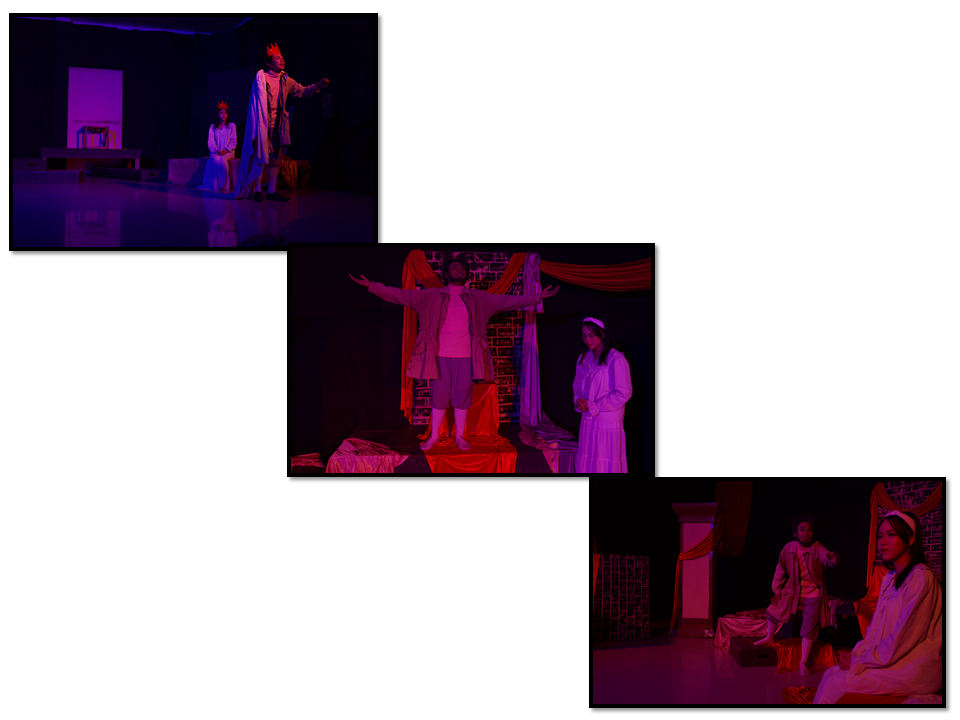
This study aims to reveal the dramaturgy aesthetics of Anton Chekhov's Swan Song performance by tracing the meaning transition from dramatic text to performance form. The research employs a qualitative descriptive method with performance dramaturgy analysis using Eugenio Barba's three-level framework: organic, narrative, and evocative. Data were collected through participant observation, in-depth interviews, documentation, and focus group discussion, then validated through source triangulation. The findings indicate that performance dramaturgy aesthetics are constructed through three dynamically intertwined levels. At organic level, the relationship between the actor's body and silent stage space creates a visual metaphor for the life-death boundary. At narrative level, mise-en-scène elements including red-white contrasting lighting, tiered platforms, and symbolic properties transform the Eros-Thanatos conflict from verbal to visual-spatial form. At evocative level, slow tempo, meaningful pauses, and outstretched hand gestures evoke collective catharsis for audience. This performance successfully merges existential poetry in text with performative reality on stage.
References
Afrizal, A., Yudiaryani, Y., & Simatupang, G. R. L. L. (2022). Praktik Teater Indonesia Kontemporer: Eksplorasi Tubuh, Teks, dan Material Artistik sebagai Modal Pertunjukan. Jurnal Kajian Seni, 8(2), 145–162. https://doi.org/https://doi.org/10.22146/jksks.71234
Barba, E. (2010). On Directing and Dramaturgy: Burning the House. Routledge.
Chekhov, A. (2023). Swan Song: A Dramatic Study in One Act (M. Fell, Trans.). Project Gutenberg.
Creswell, J. W. (2018). Research Design: Qualitative, Quantitative, and Mixed Methods Approaches (5th ed.). Sage Publications.
Damariotimes. (2025). Estetika Pencahayaan Panggung: Bahasa Universal Emosi. Damariotimes.Com. https://damariotimes.com/estetika-pencahayaan-panggung/
Eckersall, P., Grehan, H., & Scheer, E. (2014). New Media Dramaturgy. In The Routledge Companion to Dramaturgy (pp. 375–380). Routledge.
Fischer-Lichte, E. (1991). The Semiotics of Theater (J. Gaines & D. L. Jones, Trans.). Indiana University Press.
Fiveable. (2025). Anton Chekhov’s Theatrical Innovations and Dramatic Techniques. Fiveable Library. https://library.fiveable.me/
Horizons, O. (2024). Chekhov’s Characters: The Search for Meaning in an Indifferent World. Open Horizons Journal. https://openhorizons.org/chekhov-characters/
Ilyas, M. (2021). Dramaturgi Eksistensialisme dalam Naskah Nyanyian Angsa Karya Anton Chekhov. Jurnal Teater Dan Drama, 5(1), 45–58.
Kowzan, T. (1968). The Sign in the Theater: An Introduction to the Semiology of the Art of the Spectacle. Diogenes, 16(61), 52–80. https://doi.org/https://doi.org/10.1177/039219216801606104
McConachie, B. (2013). Theatre & Mind. Palgrave Macmillan. https://doi.org/10.1007/978-1-137-33446-6
Mikirbae. (2016). Simbol dan Makna dalam Pertunjukan Teater. Miribae.Com. https://www.mikirbae.com/simbol-makna-teater/
Miles, M. B., Huberman, A. M., & Saldaña, J. (2014). Qualitative Data Analysis: A Methods Sourcebook (3rd ed.). Sage Publications.
Partera, S. A., Precillia, M., & Jaeni, J. (2025). Lighting Design in Enhancing Narrative: an Artistic Analysis of the Performance Senja dengan Dua Kematian Adapted by Fathul A. Husein. Jurnal Sendratasik, 14(1), 1–13. https://doi.org/https://doi.org/10.24036/tttfc227
Pavis, P. (2013). Analyzing Performance: Theater, Dance, and Film (D. Williams, Trans.). University of Michigan Press.
Pojokseni.com. (2022). Fungsi Simbolik Properti dalam Pertunjukan Teater. https://www.pojokseni.com/fungsi-simbolik-properti/
Pramayoza, D. (2013). Dramaturgi Sandiwara: Potret Teater Populer dalam Masyarakat Poskolonial. Penerbit Ombak.
Purnama, R., Sulistyorini, D., & Prasetyo, A. (2020). Analisis Konflik Batin Tokoh Utama dalam Naskah Drama Nyanyian Angsa Karya Anton Chekhov: Kajian Psikoanalisis. Jurnal Pendidikan Bahasa Dan Sastra Indonesia, 9(2), 112–125. https://doi.org/10.15294/jpbsi.v9i2.38765
Rosalina, V., Yuda, F., Ferdian, R., & Aulya, V. (2025). Body Aesthetics in Dramatic Achievement: an Analysis of the Theatrical Performance of Malin Kundang by Payung Sumatera. Jurnal Sendratasik, 14(3), 236–246. https://doi.org/https://doi.org/10.24036/swppqq38
Sahid, N. (2016). Semiotika untuk Teater, Tari, Wayang Purwa, dan Film. Gigih Pustaka Mandiri.
Sathotho, F. I. (2020). Analisis Mise-en-Scène dalam Pertunjukan Teater: Studi Kasus Pementasan Kontemporer Indonesia. Jurnal Seni Pertunjukan, 6(1), 34–48.
Sigit, S. (2019). Fungsi Tata Cahaya dalam Pementasan Teater. , 3(2), 78–89. Jurnal Seni Dan Budaya, 3(2), 78–89.
Spradley, J. P. (1980). Participant Observation. Holt, Rinehart and Winston.
Stages., C. (2023). Michael Chekhov’s Psychological Gesture and Inner tempo. Critical Stages/Scènes Critiques, 27. https://www.critical-stages.org/27/
Suroto, S. (2019). Atmosfir dan Fungsi Pencahayaan dalam Pertunjukan Teater. Jurnal Tata Kelola Seni, 5(1), 23–35.
Theatre, S. (2016). Chekhov’s Theatre of Mood: An Analysis. Studio Theatre Education Resources. https://www.studiotheatre.org/education/
Tim Kemdikbud. (2018). Seni Budaya untuk SMA/MA Kelas XII. Kementerian Pendidikan dan Kebudayaan Republik Indonesia.
Wardani, S. (2023). Ekspresi dan Gesture dalam Seni Teater: Bahasa Non-Verbal di Panggung. Jurnal Seni Pertunjukan Indonesia, 4(1), 56–68.
Yudiaryani. (2002). Panggung Teater Dunia: Perkembangan dan Perubahan Konvensi. Pustaka Gondho Suli.
Yudiaryani. (2015). WS Rendra dan Teater Mini Kata. Galang Pustaka.
Downloads
Published
Issue
Section
License
Copyright (c) 2026 Lusi Handayani, Dinda Assalia Avero Pramasheilla, Ikhsan Satria Irianto, Yhovy Hendricasri Utami (Author)

This work is licensed under a Creative Commons Attribution-NonCommercial-ShareAlike 4.0 International License.