Restructuring the Presentation of Dendang for Randai Lelo Kayo Nagari Jaho
DOI:
https://doi.org/10.24036/jsu.v15i1.77Keywords:
restrukturisasi, dendang, randai , lelo kayoAbstract
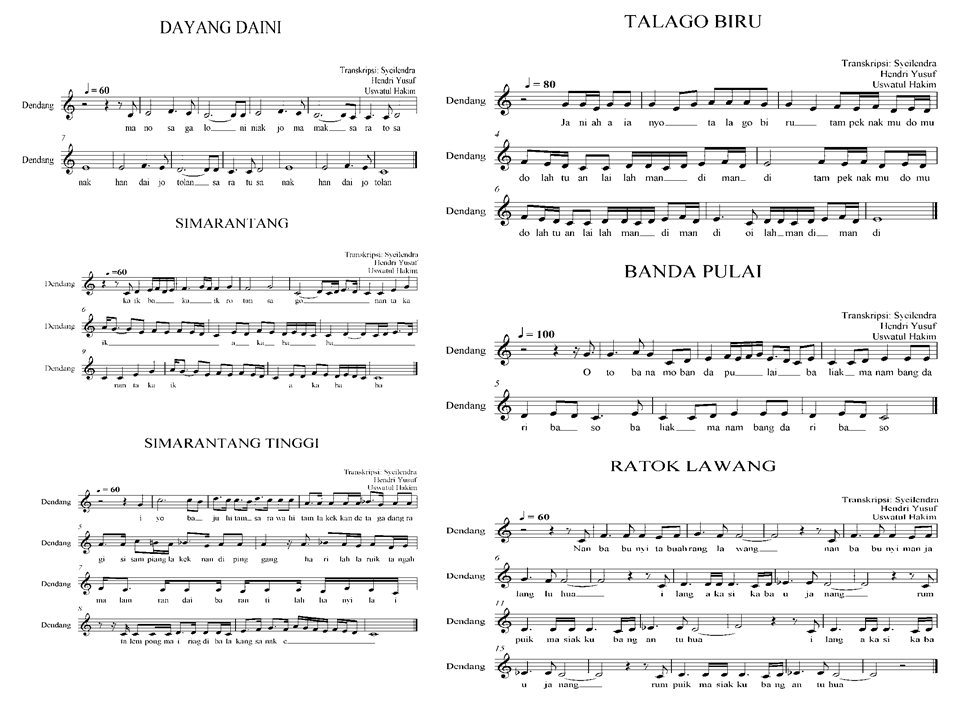
This research aims to understand the presentation of dendang in randai, so that the issues are addressed with an artistic phenomenological approach, starting from the perspective of phenomena or events that are naturalistic in nature, and to understand the structure of dendang presentation in the Lelo Kayo randai performance in Nagari Jaho, by reorganizing the arrangement of dendang material in the performance. The type of research is qualitative using a descriptive analytical method. Data were collected through literature study, observation, interviews, and documentation. The research instrument was the researcher themselves, assisted by supporting instruments such as literature notes, field observations, and interviews. After the data was collected through data collection, it was followed by classification, clarification, reduction, and conclusion-making. The research results explain that in the Lelo Kayo randai, which uses several song materials in its performance, they are already arranged proportionally based on its standard presentation structure. Thus, in the performance, there are primary and additional songs that accompany the story from the randai script. The primary songs in the performance are: Dayang daini, Simarantang randah, and Simarantang tinggi. Meanwhile, the additional songs serve as story interludes and consist of Satangah Tiang, Riang, and Ratok.
References
Arsih, F., Zubaidah, S., Suwono, H., & Gofur, A. (2019). The exploration of educational value in Randai Minangkabau art, Indonesia. Journal for the Education of Gifted Young Scientists, 7(4), 1225–1248. https://doi.org/10.17478/jegys.605463
Hum, A. M., & Kuniang, E. K. N. (2015). Nilai-Nilai Pendidikan Karakter Dalam Randai Bujang Sampai. Jurnal Peradaban Melayu, 10, 108–122.
Isnanda, R. (2018). Sastra Lisan sebagai Cerminan Kebudayaan dan Kearifan Lokal bagi Masyarakat. Sastra Lisan Sebagai Cerminan Kebudayaan Dan Kearifan Lokal Bagi Masyarakat, 3(April), 500–503.
Kurniawan, A. (2018). Metodologi Penelitian Pendidikan. In PT Remaja Rosdakarya.
Kurniawan, R. (2020). Bentuk Dan Peran Musik Randai Parewa Limo. Journal, Design, 3, 65–72.
Mansyur, Abil and Faisal, and Rebowo, Wanda Ari and Yunita, Sri and Purwanto, Haris Sri and Ananda, Lala Jelita and Ishaq, M. (2021). Mencari Model PPG untuk Indonesia (M. Samani (ed.)). Tanoto Fondation.
Moleong, L.J. (2017). Metode Penelitian Kualitatif. PT. Remaja Rodaskarya.
Nugraheni, L., & Haryadi, A. (2021). Cerita Rakyat sebagai Upaya Pelestarian Kearifan Lokal: Pembentukan Karakter pada Generasi Milenial. Prosiding Seminar Nasional Pibsi Ke-43, 572–579.
Sandika, D., Firmansyah, F., & Putra, R. E. (2022). Bentuk dan Struktur Musik Rodat di Kabupaten Empat Lawang. Grenek Music Journal, 11(1), 27. https://doi.org/10.24114/grenek.v11i1.33577
Syeilendra, S., & Mayang Sari, A. (2023). Alu Katentong performance, history, form, and function at a wedding event in Padang Laweh. Dewa Ruci: Jurnal Pengkajian Dan Penciptaan Seni, 18(2), 206–216. https://doi.org/10.33153/dewaruci.v18i2.5417
Teater, S., & Pertunjukan, F. S. (2024). Randai Malin Nan Kondang : From Kaba to Musical Performance. 41–53.
Yetty Oktayanty, E. S., & , Septriani, Maskota Delfi, S. K. (2023). Randai sebagai Apresiasi Budaya : Riset Aksi di SDIT Al Azhar Darul Jannah Bukittinggi Yetty. Melayu Arts and Performance, 6(1), 68–80.
Zulkifli. (2013). RANDAI SEBAGAI TEATER RAKYAT MINANGKABAU: ALTERNATIF PEMBINAAN DAN PENGEMBANGAN (M. S. Dr. Erlinda, S.Sn. (ed.); Issue 112).
Downloads
Published
Issue
Section
License
Copyright (c) 2026 Syeilendra, Uswatul Hakim, Hendri Yusuf & Ayuthia Mayang Sari

This work is licensed under a Creative Commons Attribution-NonCommercial-ShareAlike 4.0 International License.